


What are the different types of cutting torch nozzles?
 Dec 13, 2024|
 View:1477
Cutting torches are essential tools in metal fabrication and welding, allowing operators to cut through various materials with precision and efficiency. The cutting torch nozzle plays a crucial role in determining the quality of the cut, the speed of operation, and the type of materials that can be effectively processed. This article explores the different types of cutting torch nozzles, their functions, and their applications.
1. Standard Nozzles
Standard nozzles are the most common type used in oxy-fuel cutting applications. They are designed to deliver a specific size and shape of the flame, providing adequate heat for cutting various metals. Standard nozzles can be further categorized based on their size:
a. Small Nozzles
Description: Typically used for cutting thin materials.
Applications: Ideal for sheet metal cutting, automotive repair, and fabrication work that requires precision.
b. Medium Nozzles
Description: These nozzles provide a balance between heat input and cutting speed.
Applications: Suitable for general-purpose cutting, including structural steel and medium-thickness plates.
c. Large Nozzles
Description: Designed for heavy-duty cutting tasks.
Applications: Used for thick materials such as heavy steel plates, rail tracks, and large structural components.
2. Specialty Nozzles
Specialty nozzles are designed for specific applications that require unique flame characteristics. These nozzles can significantly enhance cutting performance in particular situations.
a. Rosebud Nozzles
Description: These nozzles produce a large, broad flame that is useful for heating rather than cutting.
Applications: Used for preheating metals before cutting or welding and for bending and forming applications.
b. Cutting Nozzles for Automated Systems
Description: Designed for use in CNC plasma and oxy-fuel cutting systems.
Applications: These nozzles are optimized for consistent cutting quality in automated processes, ensuring precision and repeatability.
c. Multi-Stage Nozzles
Description: Feature multiple orifices to create different flame shapes and sizes.
Applications: Useful in applications where varying heat input is necessary, such as when cutting different thicknesses of materials in one operation.
3. Preheat Nozzles
Preheat nozzles are used in conjunction with cutting torches to preheat the metal before the cutting process begins. This is especially important for thicker materials, where heating can help achieve cleaner cuts.
a. Single-Preheat Nozzles
Description: These nozzles have a single orifice that provides a concentrated flame.
Applications: Suitable for preheating small to medium-sized metals before cutting.
b. Double-Preheat Nozzles
Description: Designed with two orifices to provide an even larger heating area.
Applications: Ideal for thick metals that require extensive preheating to facilitate cutting.
4. Acetylene Nozzles
Acetylene nozzles are specifically designed for use with acetylene gas, which burns hotter than other gases. These nozzles are optimized to maximize the efficiency of acetylene combustion.
a. High-Pressure Acetylene Nozzles
Description: Built to handle the higher pressures associated with acetylene use.
Applications: Used in applications where intense heat is required, such as cutting thick steel or alloy metals.
b. Low-Pressure Acetylene Nozzles
Description: Designed for lower pressure applications, providing a softer flame.
Applications: Ideal for precision work and thinner materials.
5. Oxygen Nozzles
Oxygen nozzles are critical for the oxy-fuel cutting process, as they mix oxygen with the fuel gas to create an intense flame. The design of these nozzles affects the cutting speed and quality.
a. Standard Oxygen Nozzles
Description: Commonly used in various cutting applications.
Applications: Suitable for general metal cutting tasks.
b. High-Flow Oxygen Nozzles
Description: Designed to deliver a larger volume of oxygen, increasing flame intensity.
Applications: Useful for heavy-duty cutting and faster operations.
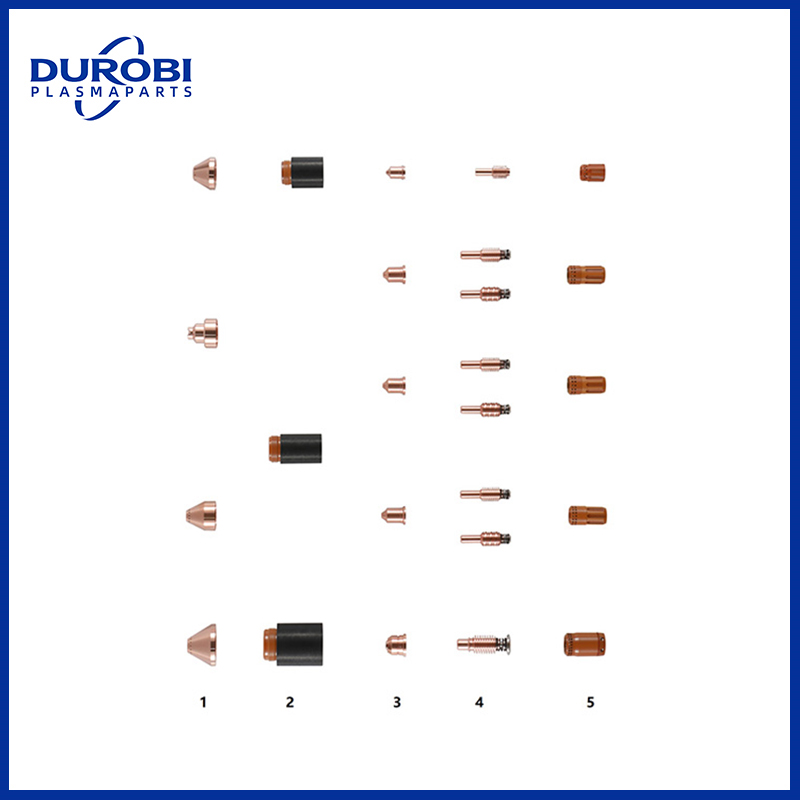
6. Ceramic Nozzles
Ceramic nozzles are made from high-temperature resistant materials and are designed to withstand the intense heat generated during cutting. These nozzles offer several advantages:
a. Durability
Description: Ceramic nozzles are more durable than traditional metal nozzles.
Applications: Ideal for high-volume cutting operations that require consistent performance.
b. Heat Resistance
Description: These nozzles can withstand higher temperatures without degrading.
Applications: Suitable for cutting applications where excessive heat is generated.
7. Copper Nozzles
Copper nozzles are another type used in cutting torches, known for their excellent thermal conductivity. They are often used in specialized applications:
a. Thermal Conductivity
Description: Copper nozzles dissipate heat quickly, preventing overheating during operation.
Applications: Ideal for applications requiring precise temperature control.
b. Heavy-Duty Applications
Description: Copper nozzles are robust and can handle extensive use.
Applications: Commonly used in industrial settings for heavy-duty metal cutting.
8. Nozzle Sizes and Flame Types
The size and design of the nozzle directly influence the flame characteristics. Different flame types can be achieved based on the nozzle:
a. Neutral Flame Nozzles
Description: These nozzles produce a balanced flame, essential for most cutting tasks.
Applications: Used for cutting ferrous and non-ferrous metals.
b. Oxidizing Flame Nozzles
Description: Designed to create a flame with excess oxygen.
Applications: Useful for cutting brass and certain types of stainless steel, but can oxidize other metals.
c. Carburizing Flame Nozzles
Description: These nozzles produce a flame with a higher concentration of acetylene.
Applications: Ideal for cutting high-carbon steels and for applications where a softer flame is required.
9. Maintenance and Replacement of Nozzles
Proper maintenance and timely replacement of cutting torch nozzles are crucial for optimal performance. Here are some key points:
a. Regular Inspection
Description: Inspect nozzles regularly for wear and damage.
Benefits: Ensures consistent cutting quality and prevents accidents.
b. Cleaning
Description: Clean nozzles to remove any buildup of slag or debris.
Benefits: Maintains proper gas flow and flame characteristics.
c. Replacement
Description: Replace nozzles that show significant wear or damage.
Benefits: Ensures the efficiency of the cutting operation and minimizes downtime.
Understanding the various types of cutting torch nozzles is essential for anyone involved in metal fabrication or welding. Each nozzle type serves a specific purpose and is designed to optimize the cutting process for different materials and applications. By selecting the appropriate nozzle for a given task, operators can enhance efficiency, improve cut quality, and ensure safety in their operations. Regular maintenance and proper handling of cutting torch nozzles can further extend their life and maintain high performance in cutting applications.


